There's a version of advocacy that's all encouragement and no instructions. "Hang in there." "You're so strong." Kind, and true. And completely useless at 2 a.m. when you're staring at a form you don't understand. We went looking for the other kind of help, the hands-on kind, and couldn't find it. So we started building it.
Where it started
It started with our son's diagnosis, the kind that arrives with a folder of new words and no manual. Overnight we were handed a job no one trains you for: learning a whole system fast enough to make good decisions inside it, while still being parents first.

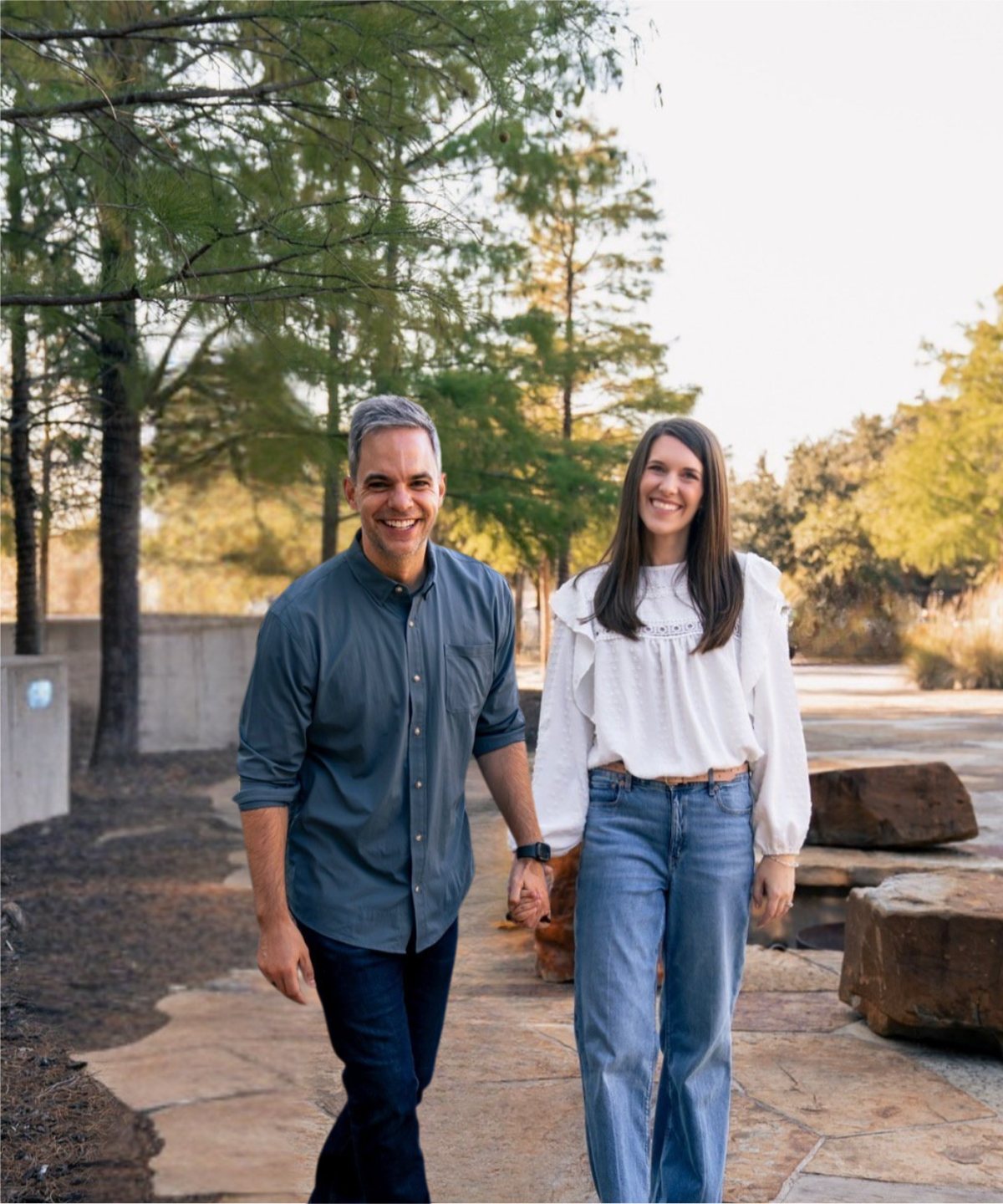
A warm, calm moment: hands on paperwork, or a parent and child together. Add story-moment.jpg · see the photo guide.
The part no one prepared us for
Then came the meetings. Rooms full of acronyms and new terms (IEP, 504, FAPE, Gestalt Language Processing, CAS, IDEA, ASD Levels), and decisions about our son's year that we weren't yet equipped to question. We learned how it actually works the hard way: how to prepare, what to ask, how to keep everything in writing, and how to stay steady in rooms that asked a lot of us. Some of it we learned in places most parents never have to go.
The encouragement was everywhere. The practical help was almost nowhere. That gap is the whole reason this exists.
Why we built Shared Courage
Plenty of people will tell you to be brave. Far fewer will hand you the ten questions to bring to the meeting, the one record that holds your child's whole history, or a room of parents who simply get it. We kept thinking someone should build that, and honestly, people kept asking us to do it. So here it is: calm and clear, hopefully lowering your heart rate instead of raising it.